



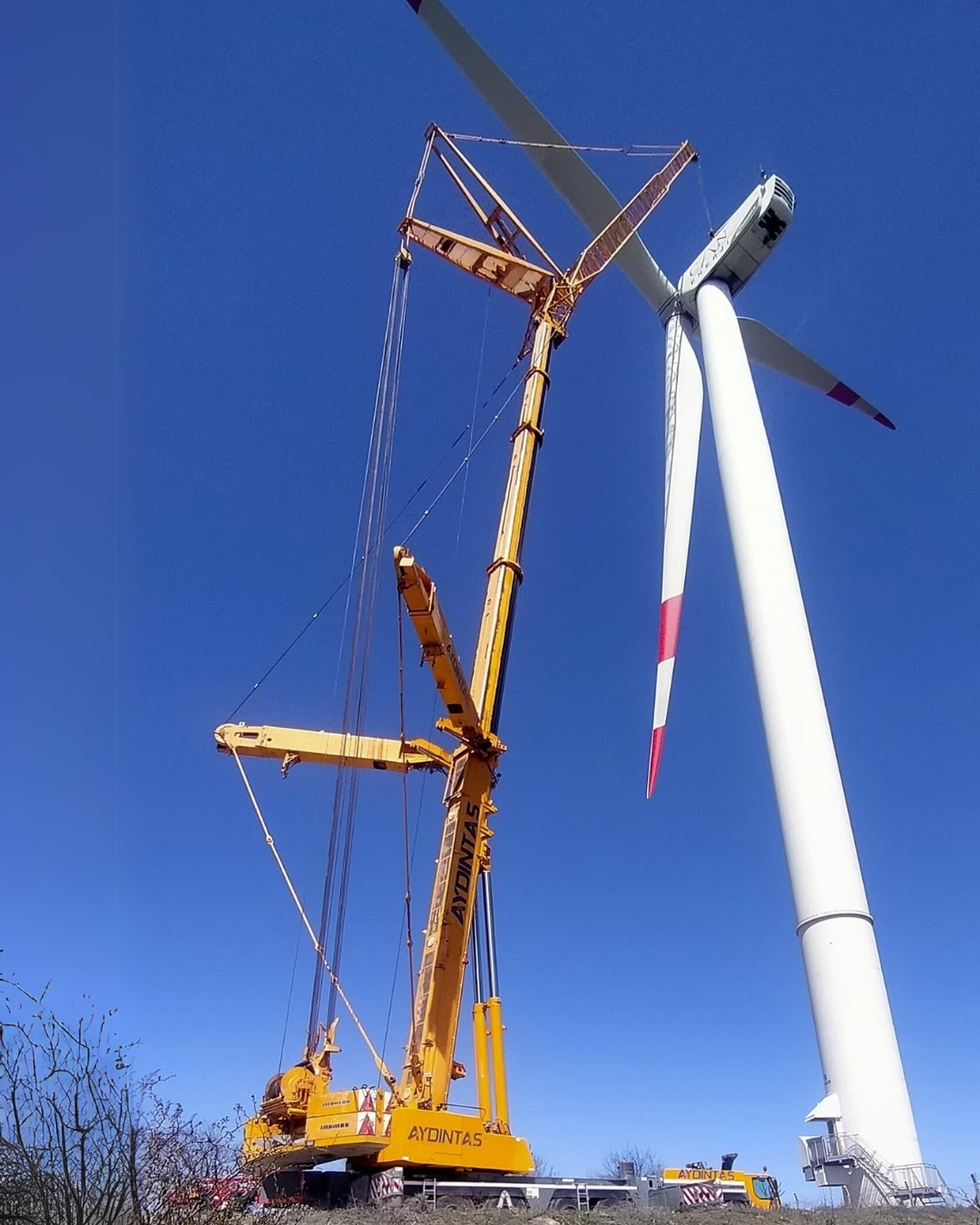
Wind Turbine Installation & Logistics Processes
Renewable energy investments are growing rapidly worldwide, and wind turbines are one of the most critical components of this transformation. Yet, installing a wind turbine is far from being an ordinary construction project; it requires advanced engineering, meticulous planning, and sophisticated logistics solutions.
In this article, we take a closer look at every stage of wind turbine installation and logistics.
🔹 1. Planning and Project Preparation
The process begins with site selection and detailed project planning.
- Site Survey: Analysis of terrain, soil capacity, wind data, and accessibility.
- Transport Planning: Route survey and design for blades, tower segments, nacelles, and other components.
- Scheduling: Project timeline optimized around weather conditions and logistics availability.
✅ Tip: Accurate engineering at the planning stage can significantly reduce installation time and costs.
🔹 2. Heavy Transport and Logistics Organization
Due to their sheer size and weight, wind turbine components require highly specialized transport solutions.
- Blades: Often exceeding 70 meters, transported with custom trailers.
- Tower Segments: Extremely heavy components moved with high-capacity low-bed trailers.
- Nacelle & Generator: Among the heaviest parts, requiring crawler or high-capacity mobile cranes.
✅ Key Point: Each route must be planned with possible bridges, narrow passages, and load restrictions in mind.
🔹 3. Installation Process
Assembly requires expert teams working in coordination with large-capacity cranes.
- Crane Selection: Crawler cranes and telescopic cranes above 500 ton capacity are preferred.
- Tower Installation: Sections are installed step by step with precise bolting.
- Blade Installation: Three large blades are lifted individually and attached to the rotor hub.
- Electrical Connection: Grid and electrical infrastructure of the turbine are completed.
✅ Highlight: Weather conditions—especially wind speed and gusts—are closely monitored in real time during assembly.
🔹 4. Safety and Quality Control
Wind turbine installation is a high-risk operation that demands strict safety standards.
- Occupational Safety (HSE): Certified operators and regularly inspected equipment.
- Quality Checks: Bolt connections, electrical systems, and rotor balance tested thoroughly.
- On-Site Testing: Each turbine undergoes trial runs before being put into operation.
🔹 5. Handover and Maintenance
Once installation is complete, the site is handed over with a tailored maintenance plan.
- Maintenance: At least two full service checks per year.
- Performance Monitoring: Remote systems track efficiency of the turbines.
- Continuous Support: Dedicated teams remain on standby for any unexpected issues.
🔸 Why the Right Partner Matters
Wind turbine projects go far beyond standard transport and assembly operations. They demand a comprehensive fleet of high-capacity cranes, specialized heavy transport vehicles, engineering expertise, and experienced field crews.
📞 At Aydıntaş, we deliver end-to-end heavy lifting and logistics solutions tailored to the energy sector. As a trusted partner in major wind projects, we ensure precision, safety, and efficiency at every stage.
🌍 For your renewable energy projects, contact the Aydıntaş expert team and experience the difference with professional solutions.
